


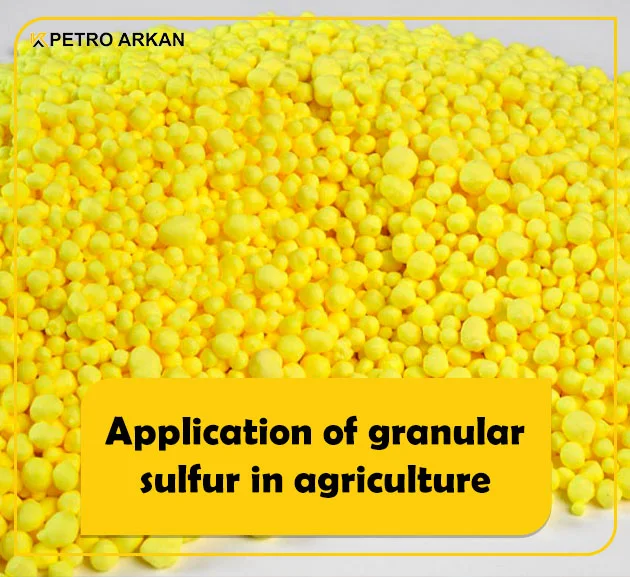
The application of granular sulfur in agriculture has a history that spans thousands of years, with its first use as a fungicide dating back to ancient Mesopotamia. Today, granular sulfur continues to be vital in improving crop health and soil quality, making it an essential tool in modern farming.
What is sulfur?
Sulfur is a tasteless, odorless element that is found in yellow crystals and is considered essential for the production of proteins and acids in animals. With metallic properties and electrical and optical traits, sulfur has been used in daily life and industry for centuries.

Sulfur, being a natural or non-synthetic product, provides essential nutrients to plants based on its composition, making it an inorganic phytosanitary product, fertilizer, and biostimulant.
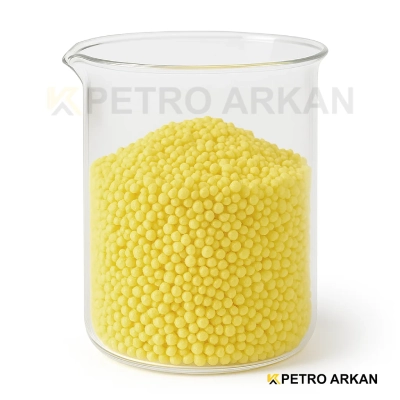
Its application to crops doesn’t require any chemical transformation, as its natural properties are sufficient, similar to other macronutrients like phosphorus, nitrogen, and potassium.
Proper storage is key to maintaining the quality of your sulfur product—Granular Sulfur Storage provides essential tips on how to store granular sulfur to prevent moisture absorption and ensure optimal effectiveness when applied.
Granular sulfur
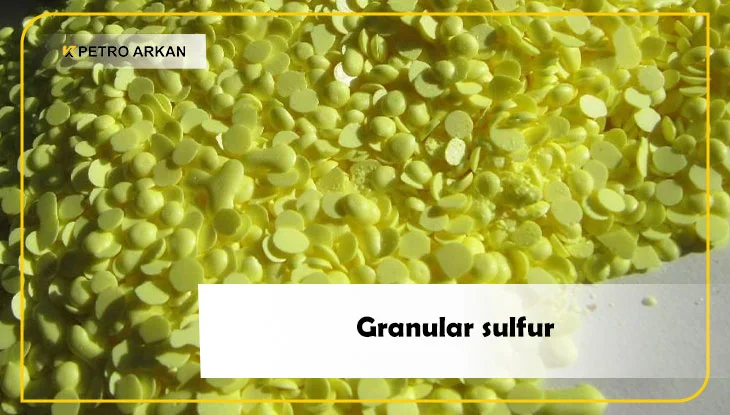
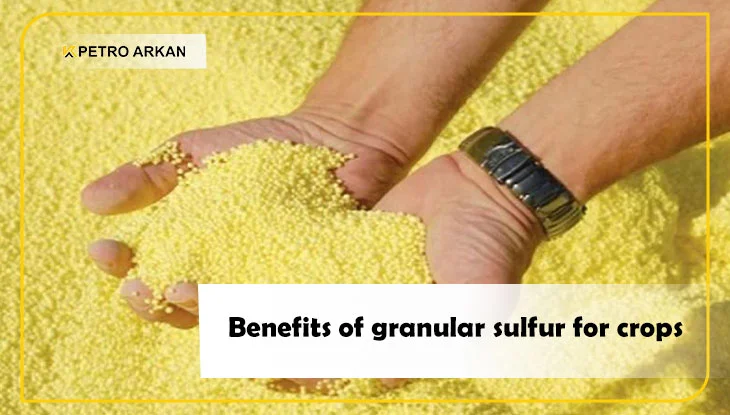
Granular sulfur is extracted from refineries or mines in its unprocessed state. It can be found in nature either in its pure form or combined with other elements. It is often referred to as “lamp” or “chips” due to its appearance and is recognized as the raw commercial form of sulfur.
The application of granular sulfur in agriculture as the solid structure of granular sulfur prevents oxidation, allowing it to be used when powdered or micronized. Additionally, powdered or liquid sulfur is mixed with other components to create granular sulfur.
Properties of granular sulfur
Granular sulfur possesses a solid and stable structure, which allows it to retain its integrity and resist rapid oxidation. This property makes it well-suited for further processing into powdered or micronized sulfur forms.
The application of granular sulfur in agriculture is particularly beneficial, as these finer forms when applied to soil, break down gradually, releasing sulfur slowly over time. This controlled release ensures that the soil receives a consistent supply of sulfur, which is crucial for supporting plant growth and improving plant health.
Agricultural uses of granular sulfur
By applying sulfur at the right times and amounts, farmers can improve crop health, boost productivity, and enhance soil quality. The role of granular sulfur in farming includes acidifying soils, providing nutrients, controlling pests, and supporting plant health, leading to better yields and sustainable practices.
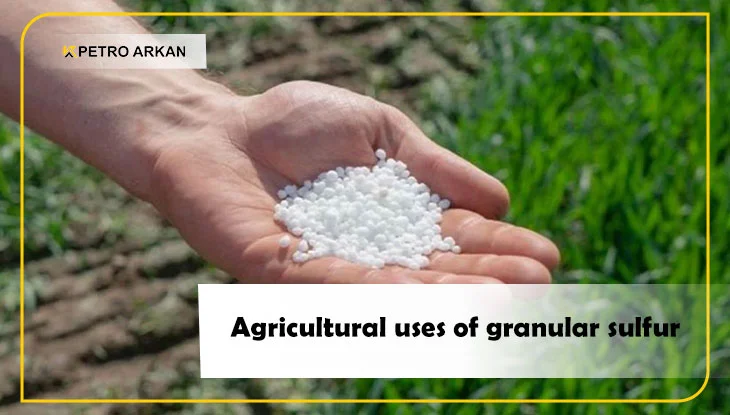
There are some important aspects to the application of granular sulfur in agriculture:
Soil Acidification
The application of Granular sulfur in agriculture is widely used to lower the pH of alkaline soils, making them more suitable for acid-loving plants such as blueberries, grapes, and azaleas. This helps improve nutrient availability and promotes healthier plant growth in soils that are too basic.
Nutrient Source
Sulfur is an essential plant nutrient that aids in the production of proteins, enzymes, and chlorophyll. It is often used to address sulfur deficiencies in crops, promoting healthy growth and better yields. Sulfur is particularly important for improving the flavor of certain crops, like onions and garlic.
Pest and Disease Control
Granular sulfur can be used as a natural fungicide, helping control fungal diseases like powdery mildew, rust, and blights. It can also deter pests such as mites and aphids.

Improving Soil Structure
The application of granular sulfur in agriculture helps in breaking down organic matter in the soil, enhancing its structure, and improving water retention. This is beneficial for both plant growth and soil health.
Amendment for Alkaline or Saline Soils
In addition to acidifying soils, granular sulfur can also improve soil aeration and drainage in certain types of saline or sodic soils, making them more suitable for crop production.
Storing products like technical urea is one of the best things which you should consider, so if you want to know how to Store Technical Urea? Click on it and be ready to know further information.
Benefits of granular sulfur for crops
The application of granular sulfur in agriculture for various purposes, both as a phytosanitary product for crop protection and as a valuable macronutrient, is known to all farmers. It has fungicidal and acaricidal properties, making it effective in protecting plants while also acting as a natural fertilizer and biostimulant.
When applied to crops, sulfur promotes the formation of essential amino acids like cysteine and methionine, boosts chlorophyll levels in leaves, and contributes to the secondary metabolites that affect the smell and taste of certain plants.
Additionally, granular sulfur applications in agriculture provide sulfates to the soil, reducing alkalinity (or pH), balancing conductivity, enhancing soil microbiota, and helping release other macronutrients such as phosphorus. This prevents the depletion of overexploited soil.
Sulfur’s diverse benefits make it an essential and highly recommended substance for enhancing both crop growth and soil health. The impact of granular sulfur on crop growth is significant, as it supports essential plant functions and improves soil quality. Its key properties include:
- Fungicide and Miticide: Sulfur helps plants generate essential amino acids that strengthen their natural defenses, boosting immunity against diseases and pests.
- Fertilizer: The slow release of sulfate ions aids plant nutrition by helping absorb micronutrients and improving assimilation.
- Biostimulant: Sulfur promotes plant growth by reducing soil salinity and nitrate levels, as well as managing excess phosphates that could hinder plant development.
How to know whether the sulphur granules uses is enough or not?
For the best results with granular sulfur fertilizer, it’s important to know when and how to use it. The best time to apply it is usually in late fall or just before planting, or at the start of the growing season.
During these times, the soil is best at taking in nutrients, and there are many active, tiny living things in it. The application of granular sulfur in agriculture changes based on the type of plant. Granular sulfur can be spread on top of the soil, placed near the roots of trees, or mixed in with animal waste.
The suggested amounts of Granular sulphur uses depend on the type of field and the condition of the soil.
- In orchards: About 1 to 3 kilograms for each tree.
- In farming, it’s between 500 and 1000 kilograms for every hectare.
- In greenhouses: About 250 grams for every square meter.
To get better results, it’s a good idea to mix the soil after you put on the fertilizer. Use this product based on the application of granular sulfur in agriculture and which helps the nutrients get absorbed better.
One of the important things which you should know about it is what the best time is for applying urea granular to crops. If you want to know more about visit this page best time to use urea granular for crops and update yourself.
Which is the best company for purchasing high-quality granular sulfur fertilizer?
It is a good idea to buy your product before using this fertilizer and to talk to farming experts to find out how much to use and when to apply it. Choosing the right kind of sulfur and using it wisely can really improve how much your land produces.
As you know, we have many granular sulfur fertilizer factories, and you purchase from them, but Petroarkan is the top choice, and you can rely on them.
Where to purchase?
The application of granular Sulfur in agriculture is essential for addressing soil deficiencies and supporting healthy crop growth, but finding the right fertilizers can be challenging. Petroarkan is a trusted supplier of high-quality granular sulfur fertilizers at competitive prices.
With a strong focus on reliability and performance, the company delivers cost-effective solutions for agricultural needs. With a commitment to sustainability and innovation, Petroarkan ensures that its fertilizers meet the highest quality and environmental safety standards.
FAQ
- How much granular sulfur should be used?
Apply 1-2 pounds per 100 sq ft, based on soil tests.
- How long does it take for granular sulfur to work?
Takes several weeks to months to fully break down and begin affecting soil pH.
- Can granular sulfur be used in combination with other fertilizers?
It can be used with other fertilizers, but follow guidelines to avoid pH imbalance.


No comment