


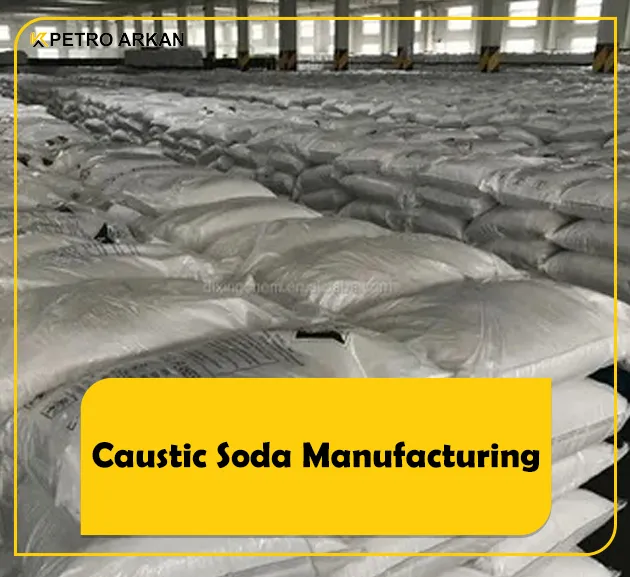
The caustic soda manufacturing process is done by those who want to have an experience in producing these materials. These have some steps which you should consider these steps and know about.
In this article, we want to find out how can Caustic soda manufacturing process can be effective in companies, which is a key point, and you should be aware that caustic soda is a very important matter that has different types.
Caustic soda manufacturing process
Caustic soda can be produced using various methods and is available in different liquid concentrations. One such method, electrolysis, involves passing an electric current through brine (salt dissolved in water) and has been employed for 120 years to create caustic soda.
This process is carried out in different types of cells, such as;
- the membrane cell process
- The mercury cell process
- the diaphragm cell process
Caustic Soda Production can be done in these 3 different types of processes which each of which can be unique and different from the other. Make sure you know more information about each of these processes.
For insights into global producers and supply trends, check out Caustic Soda Manufacturers in the World to see who’s leading the market.
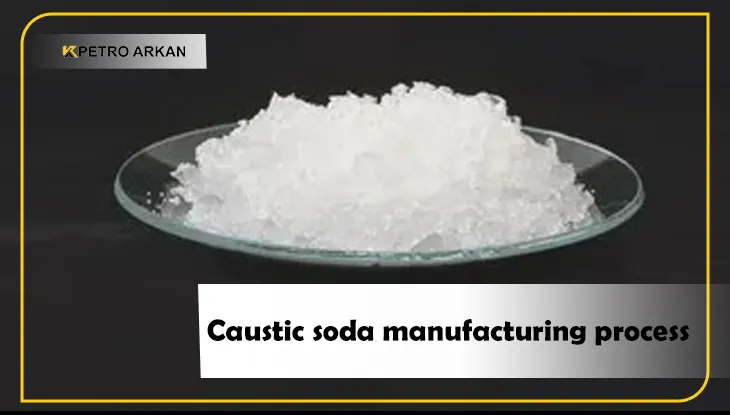
Caustic Soda Manufacturing
Caustic soda manufacturing processes vary, and it has some differences from the other. Here we want to give you more information about these kinds of processes.
Sodium Hydroxide Solutions are generated using three distinct technologies:
- Mercury cells
- Membrane cells
- Diaphragm cells
All these processes rely on sodium chloride (NaCl) salt as their main raw material. The electrolytic decomposition of salt produces by-products such as chlorine and sodium ions (Na+).
See how this compound supports metal refining in Caustic soda for gold mining, especially in high-precision industrial use.
Mercury Cell Process
In the mercury cell process, Na+ reacts with water to yield Sodium Hydroxide and hydrogen gas as a by-product. In the Mercury Cell Process, saturated brine flows through a steel channel approximately 15 meters long and one meter wide, moving between a flowing layer of mercury (the cathode) and titanium plates (the anodes).
A direct current is applied between the anode and cathode. Chlorine is released at the anodes, accumulating above the brine as a hot, wet, and corrosive gas.
Diaphragm Cell process
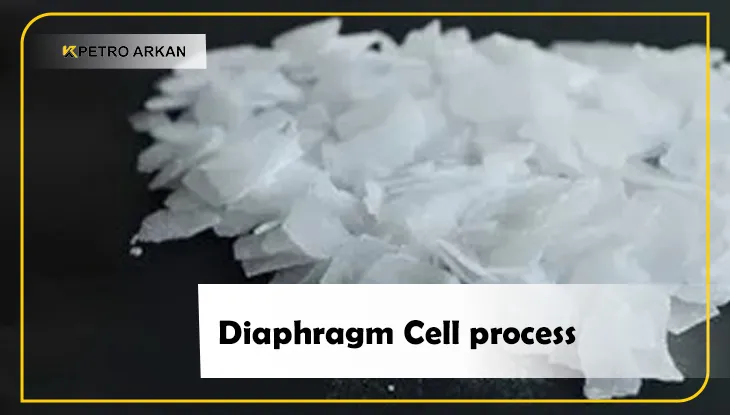
The Diaphragm Cell process employs asbestos or other alternatives to separate the byproducts Sodium Hydroxide (Caustic Soda) and Chlorine. The creation of 50 per cent NaOH mainly occurs outside of the electrolytic cell. The diaphragm cell yields a weak ‘cell liquor’ containing 12-14 per cent NaOH by weight, along with a consistent amount of NaCl salt.
This cell liquor is then concentrated through a three or four-effect evaporation technique to reach a final nominal concentration of 50 per cent NaOH by weight.
The excess salt is precipitated and filtered during the evaporation process for later reuse or recycling. This approach results in the production of the lowest quality electrochemical NaOH solutions.
Membrane Cell Process
Membrane Grade is the most common name for the Caustic Soda produced by the membrane cell method. It also has an increasing acceptance as a Rayon Grade product in every field other than rayon fibre manufacturing.
The membrane cell process accounts for the majority of sodium hydroxide production in Europe, with around 85% of its installed capacity, compared to the other two techniques.
We need salt and electricity to drive the reaction to manufacture caustic soda. The membrane cell process for caustic soda is an important thing that you should pay more attention to than other processes.
Caustic soda manufacturing process flow
About 13% of Sodium Hydroxide is produced using this technique. The membrane cell process uses a selective membrane to divide the sodium and chlorine ions. The membrane allows sodium ions to pass through it while retaining chlorine gas and salt (brine) in a chamber on the other side.
The Sodium ion is treated with purified water in the same manner as it is in the mercury cell to produce Caustic Soda (NaOH). Similar to the diaphragm technique, evaporation is used to raise the concentration to the theoretical 50 weight per cent solution.
Industrial production of caustic soda
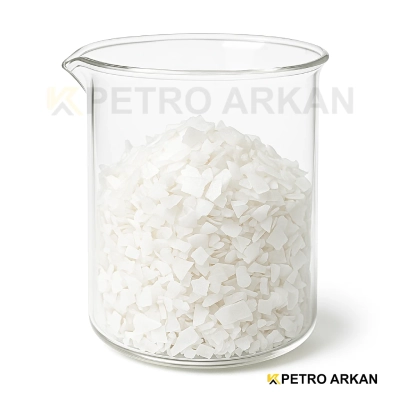
Liquid caustic soda is used to create solid caustic soda, such as pearls and flakes. The evaporation of liquid caustic soda produces caustic soda flakes. The granulated or pearl form is produced by fusing liquid caustic soda, a process that involves the liquid caustic soda solidifying.
This material has different applications, especially in different kinds of industries. Consider that this Caustic soda manufacturing process has a unique industrial production that should be followed by any company.
Caustic soda formula
Sodium hydroxide (NaOH), often known as caustic soda, is a key ingredient in a variety of industrial processes, including water treatment and chemical production.
Membrane cell technology and diaphragm cell technology are the two main methods used to manufacture caustic soda. Although both methods produce the same final product, they vary considerably in terms of operational principles, efficiency, environmental effect, and product purity.
Sodium hydroxide (NaOH) is an inorganic substance with the following alternative names:
- soda caustic
- Lye
- Sodium hydrate
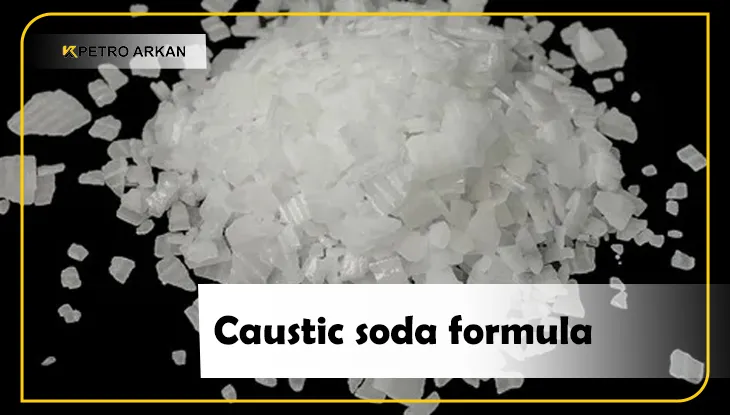
NaOH is a commonly utilised inorganic industrial chemical. The molecular weight of NaOH is 39.997 g/mol. The pH of sodium hydroxide is around 12 to 14. Caustic soda comes in two varieties: solid and lye. The solid form of caustic soda can be either granules (pearls) or flakes.
Key features of producing caustic soda
Caustic soda, also known as NaOH), is a strong chemical that can react easily. It is used in many industries because it can cancel out acids and is very effective as a cleaning agent.
Caustic soda is sold in various purity levels to meet the needs of different industries. Main features of the caustic soda manufacturing process are:
- Knowing about Physical and chemical properties
- Knowing about Concentration and grades
The caustic soda manufacturing process is very important, and you should be aware of it. Knowing about caustic soda production can help you to be more careful in this path and can help you to gather more information about it, and for sure, that will be a useful thing.
How is caustic soda made?
The main question which you asked here is how caustic soda is prepared in industry. To answer this question, we need to know about a company which is reliable and provides high-quality products.
We discussed the caustic soda manufacturing process earlier, and Caustic soda is a common material that we have used many times in our lives. The quality of caustic soda depends on how pure it is. You can find it in stores with purity levels from 50% to 99%, and it can be used for different purposes.
As a result, the final product has fewer features that are useful for industries that don’t require careful handling, like making detergents.
Where to purchase Caustic Soda?
If you are looking for a trusted partner with the best process methods in the caustic soda manufacturing process, we recommend using Petro Arkan products.
We supply high-purity caustic soda flakes and liquid with consistent quality for various industrial applications.
Petro Arkan is a leading caustic soda supplier, producer, exporter, and seller, offering different grades and packaging options to meet your specific needs.
Whether you require large-scale shipments or tailored solutions, we can provide the right type of caustic soda that suits your industry.
Our professional experts are ready to assist you with updated technical information, pricing, and delivery details.
If you have any questions or need expert advice, contact us today to receive a prompt solution and a competitive quotation.
Summation
Caustic soda manufacturing process is an important thing that you should be aware of it and you should consider the production and the steps of producing caustic soda.
By that, you will be assured that you will know about the Caustic soda manufacturing process and understand tips about this matter. The process flow and the industrial production a factors that you should know.
FAQs
- What are the three processes of caustic soda manufacturing?
Mercury cells, Membrane cells, and Diaphragm cells.
- Is the Caustic soda manufacturing process the same for all companies?
Yes, every company should do these three parts of the cells.
- Is the Mercury cell of caustic soda production the same as the Membrane cell?
No, they are different to each other.


No comment