


The effect of sulfur on plant resistance raises an interesting question: how does this element contribute to healthier, more resilient plants? Sulfur plays a key role in helping plants withstand diseases, pests, and environmental stress, ensuring they thrive even in the toughest conditions.
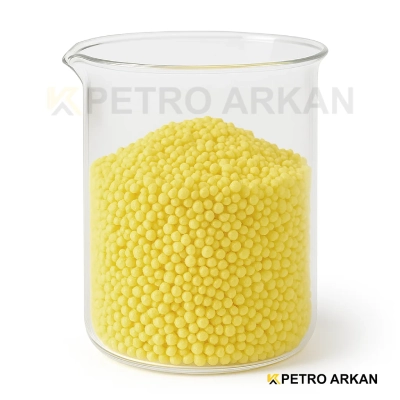


A description of sulfur and its application
Sulfur is a non-metallic element found in minerals and volcanic areas, and it is a byproduct of refining oil and gas. While it was once mainly mined, most sulfur today comes from industrial refining.

Sulfur is mainly used to produce sulfuric acid, vital for metal processing, water treatment, and manufacturing. It’s also used in rubber, fungicides, explosives, and compounds found in food preservation, detergents, and construction materials.
Though sulfur itself is harmless, some compounds can be dangerous. Burning fossil fuels releases sulfur dioxide, causing air pollution and acid rain, while high levels of hydrogen sulfide can be toxic.
However, sulfur plays a crucial role in agriculture, as the effect of sulfur on plant resistance improves crop health and resilience. To minimize environmental impact, industries are working on sustainable methods to reduce emissions while maintaining sulfur’s essential role in manufacturing and chemical production.

sulfur in agriculture
Sulfur in soil mainly comes from organic matter (95%), soil minerals, and atmospheric sources like industrial activities and fuel combustion. Pesticides and fertilizers also contribute to sulfur. The effect of sulfur on plant resistance is significant, as sulfur-containing compounds play a role in boosting plant defense mechanisms against both biotic and abiotic stresses.
Sulfur is a crucial nutrient for plants, required in smaller amounts than nitrogen, but its deficiency can limit growth. Historically, sulfur was abundant in soil, but this has declined over time, especially with crops like canola.
Deficiencies are common in sandy, gray, and low organic matter soils. Moreover, the effect of sulfur on plant resistance is key to improving plants’ ability to resist diseases and environmental stress.
Whether for agriculture or other sectors, Sulfur Pastille Application is a helpful read that explains how and why this form of sulfur is widely used.
Effect of sulfur on plant resistance
When sulfur is deficient, plants may show yellowing of young leaves, stunted growth, and poor flowering, especially in crops like canola. Legumes like alfalfa and peas may also experience reduced nitrogen fixation.
Sulfur is crucial for nitrogen metabolism, enzyme activity, and protein synthesis. The effect of sulfur on plant resistance enhances plants’ ability to resist diseases and stress, while the effect of sulfur on plant immune health boosts their natural defenses.
Applying sulfur fertilizers can improve yields, uniform maturity, and increase oil and protein content. Sulfate-sulfur should be applied early, while elemental sulfur needs time to convert to a plant-available form.

sulfur and plant disease resistance
Sulfur plays a crucial role in enhancing plant disease resistance in various ways.
- Natural Fungicide: Sulfur acts as a natural fungicide. It has been used for centuries to control fungal diseases like powdery mildew, rust, and black spot. Sulfur for combating fungal diseases interferes with the metabolism of fungi, inhibiting their growth.
- Strengthening Plant Defenses: Sulfur aids in producing amino acids and proteins, which fortify cell walls and make it harder for pathogens to cause damage.
- Enhancing Systemic Acquired Resistance (SAR): Sulfur triggers SAR, boosting proteins that help plants resist various diseases.
- Improved Stress Tolerance: Sulfur helps plants manage stress like drought or extreme temperatures, reducing susceptibility to diseases.
The article The Importance of Sulfur in Plant Nutrition shows how sulfur boosts chlorophyll, enhances nitrogen use, and improves crop quality.
Sulfur and reducing sensitivity to pests
Sulfur has been a trusted solution in gardening for its ability to disrupt the cellular functions of pests and fungi. It works by interfering with the biological processes of harmful organisms such as powdery mildew, rust, and other fungal infections, helping to both prevent and manage these issues.
In addition to its antifungal properties, sulfur is also effective against certain insect pests like spider mites and soil mites. This combination of pest and disease control makes sulfur a versatile and valuable tool for maintaining plant health and promoting stronger, more resilient plants.
Furthermore, the effect of sulfur on plant resistance by stimulating certain plant defense mechanisms makes plants better equipped to withstand future pest attacks and fungal infections, leading to long-term health benefits.

Sulfur and drought tolerance
Sulfur (S) is crucial for improving crop performance under drought conditions by aiding nutrient balance and stress responses. Research has demonstrated that sulfur availability enhances leaf water content, gas exchange, and antioxidant protection under water stress.
- Sulfur Sources: Potassium sulfate (K₂SO₄), a common sulfur fertilizer, has been shown to significantly improve maize yields during drought, likely due to its provision of both potassium and sulfate ions.
- Mechanisms of Action: Sulfur helps in the production of sulfur-based compounds like glutathione, which assist in reducing oxidative damage during drought stress.
Looking to improve soil health and crop yield? The article Application of Granular Sulfur in agriculture outlines effective usage strategies and benefits of granular sulfur in farming.
Why Petroarkan?
Petroarkan, a trusted supplier of high-quality sulfur fertilizers, offers cost-effective solutions for agricultural needs. With years of expertise, the company provides premium sulfur products, including sulfur for agriculture, to boost crop growth, improve soil health, and maximize yields.
Their products enhance the effect of sulfur on plant resistance, helping plants better resist diseases and stress for healthier, stronger crops. Petroarkan is dedicated to delivering reliable and sustainable solutions for farmers.
Summary
Sulfur is essential in agriculture for improving plant resistance to diseases, pests, and environmental stress, particularly drought. The effect of sulfur on plant resistance strengthens plant defenses, enhances nitrogen metabolism, and acts as a natural fungicide.
Sulfur fertilizers improve yields and crop health. Despite its benefits, sulfur compounds can be harmful, contributing to air pollution and toxicity when mismanaged.
FAQ
- What happens if plants lack sulfur?
Sulfur deficiency causes yellowing leaves and stunted growth.
- Does sulfur trigger immune responses in plants?
Sulfur boosts plants’ immune response, helping fight diseases.
- Can sulfur improve crop yield and quality?
Sulfur fertilization boosts yields and oil content, especially in canola.


No comment