


Factors affecting nutrient availability to plants are numerous, and you can utilise them to promote better growth in your plants. But the main important thing is, even when you want to apply the urea To plants, plants need a little more nutrients.
In this article, we want to explore more about the Factors affecting nutrient availability to plants and the products which is considered in this path, and they can be useful for sure.

Petroarkan is one of those big and great companies which has many years of experience in producing these kinds of products. We have the best professional team that gives you the best solution ever.


Effects of Urea Fetilizer on Plant Nutrients
Urea fertilizer contains nitrogen. It is often used to give plants the nitrogen they need to grow well. Urea provides nitrogen, which is an important nutrient that helps plants grow and develop.
Improved use of Plant Nutrients can help plants grow healthy leaves and strong roots. However, using too much urea can cause too much leafy growth, less fruit or flowers, and make plants more likely to get pests and diseases.
Urea can also make the soil more acidic, which can harm plant growth and their ability to take in nutrients. It’s important to check the soil pH and change how we use fertilizer based on that.
It can cause environmental issues, like eutrophication, which happens when too many nutrients enter water and can lead to harmful algae growth and other problems.
It’s important to use urea carefully and follow local rules about fertilizer use. Urea can be mixed with other fertilizers to give plants the right nutrients they need. However, it’s important to make sure that the fertilizer.
When maximizing crop yield and nitrogen efficiency matters to you, the article Urea fertilizer benefits for plants explains why this fertilizer remains a top choice.
Factors Affecting Nutrient Availability to Plants
Several important soil and environmental factors affect how well plants can get and take in nutrients. Here are the Factors affecting nutrient availability to plants:
Soil pH
Soil pH affects how easily plants can get nutrients. Most plants grow best in soil with a pH between 5.5 and 70, where important nutrients like nitrogen, phosphorus, and potassium can be easily accessed.
Outside this range, some nutrients are harder to find (like phosphorus in acidic soils) or can be too much and harmful (like aluminium in soils that are too acidic).
Cation Exchange Capacity (CEC)
Soil CEC influences how good the soil holds and provides nutrients. Soils with high CEC, like clay and those rich in organic matter, can store more nutrients. However, they might need pH adjustments to help release those nutrients effectively.
Soils with low CEC, like sandy soils, lose nutrients quickly. This means they need regular and specific fertilizing to stop nutrients from washing away.
Water
Drought makes it hard for nutrients to move, which makes it tough for plant roots to take them in. Too much water can wash away important nutrients like nitrogen from the soil before plants have a chance to take them up.
Soil Organic Matter
Organic matter helps make the soil better by improving its structure, increasing the activity of helpful tiny organisms, and keeping nutrients in the soil. It slowly provides nutrients and boosts the activity of microbes, which helps turn nutrients into forms that plants can use.
Adding compost or planting cover crops can increase the organic material in the soil, which helps keep the soil healthy for a long time. 5 Soil Compaction Hard soils make it difficult for roots to grow and can reduce the amount of oxygen, which hurts plants’ ability to take in nutrients.
If market trends and price fluctuations directly impact your buying strategy, the article Urea Price and Market analysis breaks down what you should watch before making a move.
What Products Improve Plant Nutrient Deficiency?
For plants to grow well, they need big nutrients, small nutrients, and extra nutrients, along with air, water, and sunlight. Healthy crops need some basic nutrients. Factors affecting nutrient availability to plants are carbon, hydrogen, oxygen, nitrogen, phosphorus, potassium, calcium, magnesium, sulfur, boron, chlorine, copper, iron, manganese, molybdenum, and zinc.
These nutrients work together to create the ideal conditions for plants to grow. When crops need more nutrients, many farmers usually add more fertilizers. These inputs are usually industrial fertilizers that have a lot of nitrogen, phosphorus, and potassium (NPK).
Using more fertilizer usually doesn’t fix nutrient problems because a lack of nutrients isn’t the same as not using enough fertilizer. It can be tough to spot nutrient deficiencies in plants because they might not show obvious signs.
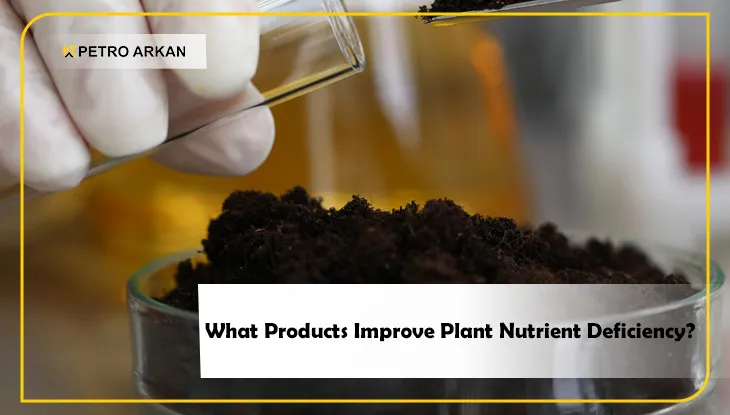
Testing is needed to find out for sure. Because the soil in the field is different, some crops might lack nutrients in different ways. This can make testing for these nutrients difficult.
Try to use Strategies for Increasing Micronutrient Availability in Soil, and by that you will experience the effects on the plant’s growth, which is a very considerable point in Factors affecting nutrient availability to plants.
Where to Buy High-Quality Fertilizers?
If you want to purchase a high-quality fertilizer for your plant and you are confused about which and how you can use these products, don’t worry about anything. Cause we are here to help you anytime you want.
We have many companies which produce this kind of product, but make sure to rely on a company that is more reliable and by that, you won’t be worried and enjoy the result of your plant.
Summation
Factors affecting nutrient availability to plants are different, and each of them can be helpful in the growth of plants. By knowing these factors, you can have a fruitful result.
Understanding the effective products in the Factors affecting nutrient availability to plants can be a helpful point, which is a considerable thing that you should be aware of.
FAQs
- What are the factors that affect in growth of plants?
We have various products that depend on your plants.
- Can water be effective in the growth of plants?
Too much water can wash away important nutrients like nitrogen from the soil.
- What is the main material for the growth of your plants?
Nitrogen is the main material for the growth of your plants.
Source: Based on scientific reviews and reports from the International Fertilizer Association (IFA) detailing urea’s role in plant nitrogen nutrition and soil fertility.


No comment