


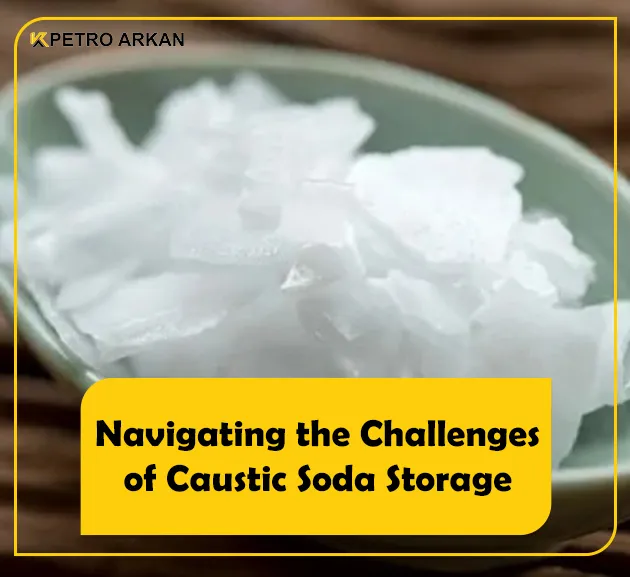
Navigating the challenges of caustic soda storage depends on several key factors, which are important to understand. You should pay attention to how you can take care of this material and what is the best way to do so.
In this article, we will explain more about navigating the challenges of caustic soda storage and give you the important points that which is considered and you should know about it, as you know, Urea has a crucial role in the caustic soda industry.

Caustic Soda Storage Challenges and Solutions
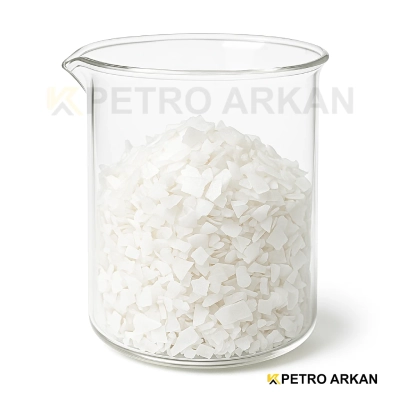
Sodium hydroxide, also called caustic soda or liquid lye, is often used to control the pH level in water and wastewater. It can turn hard water into water that is much closer to neutral when it mixes with it.
Sodium hydroxide is a slippery chemical that finds ways to leak from storage tanks. It is very harmful to human skin and dangerous if swallowed, so it needs to be handled carefully.
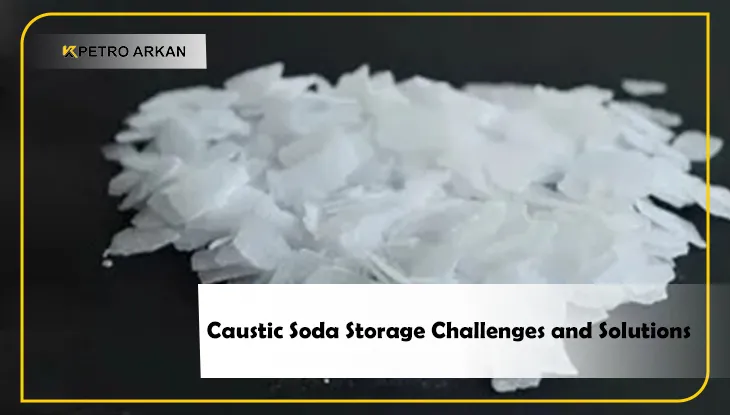
If caustic soda is not kept and stored at the right temperature, it will change from to crystals and will become a solid. If you decide to keep the chemical outside, you will need to add heating and insulation to keep it at the right temperature. But stainless steel tanks are also three to four times more expensive than they need to be.
XLPE tanks work just as well as stainless steel tanks, but they cost 75% less. You can buy four XLPE tanks for the same price as one stainless steel tank, and they will work just as well.
Navigating the Uses and Safety of Caustic Soda in Industry
Navigating the challenges of caustic soda storage in containers that are tightly sealed. A tiny hole for moist air causes a heat-producing and damaging reaction that harms the container.
The temperature around should be between 29 and 38 degrees Celsius. Iron starts to rust at any temperature above 38°C. If it happens, the container does not protect the material properly.
Always make sure there is good air flow in closed spaces and keep them clean from dirt like soil, chemicals like phosphorus and acids, and especially water. Store caustic soda flakes in a cool place, away from sunlight, because it can break down over time.
Keep them in double-layered plastic bags that are tightly sealed with strong yarn. HDPE (High-density Linear polyethene) and XLPE (Cross-linked polyethene) are good materials for storing caustic soda for 10 to 20 years.
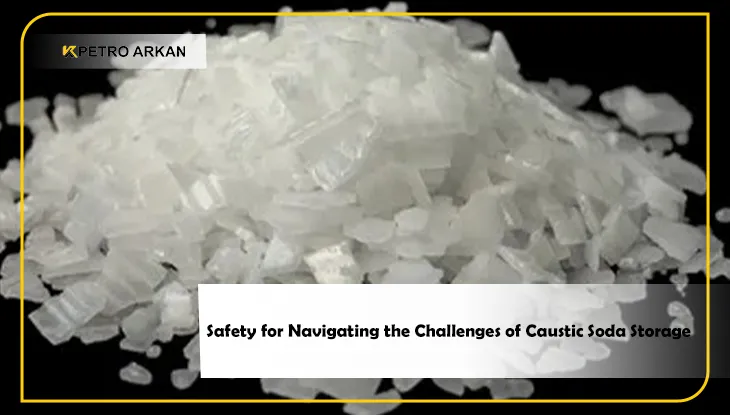
Safety for Navigating the Challenges of Caustic Soda Storage
Caustic soda is considered a dangerous substance. It’s important to understand the dangers of caustic soda when using it. Wearing masks, gloves, and goggles is important; otherwise, it can be bad for our health. Skin burns, eye harm, and lung damage are frequent issues that often occur. Caustic soda is very dangerous.
When it touches wet skin, it can cause burns. That’s why it’s important to wear special gloves and suits that protect against chemicals. The same type of situation occurs with eye injuries. When caustic soda dust gets in your eyes, it mixes with the moisture in your eyes and can cause pain.
If caustic soda gets in your eyes, it could lead to blindness. To avoid more eye damage, you need to wash your eyes with clean, cold water for at least 15 minutes. Make sure you are not wearing contact lenses. Another frequent danger is harm to the lungs.
What are the Caustic soda storage tank requirements?
Caustic storage tank is an important point that you should consider it. Poly Processing’s SAFE-Tank provides strong secondary protection for storing caustic soda. This new “tank within a tank” system not only gives extra protection to prevent spills but also cuts down on the need for concrete barriers, saves money over time, and helps keep important chemicals safe.
The SAFE-Tank keeps caustic soda safe and reliable by protecting against rust and keeping it at the right temperature. IMFO tanks are a great choice for safely storing caustic soda. By removing side openings and using a smooth, shaped edge design, IMFO tanks greatly lower the chance of leaks.
This new method helps things work well over a long time and reduces the need for repairs, making it a great option for dealing with this dangerous chemical. Poly Processing provides complete ways to store caustic soda, including heating systems and foam insulation to stop it from turning into crystals.
Where to Buy High-Quality Fertilizers?
If you want to know where you can buy the best quality of this kind of material, we will suggest a company which has high-quality fertilizers, and you can count on us for purchasing them.
The Petroarkan group plays a great role in the supply chain and provides high-quality products, and this company can export many of these kinds of materials to any part of the world.
We have the best professional team, which has the best commitment to fairness with reasonable prices and conditions. Our priority is to get satisfaction from our customers by driving forward to overall growth. They can be the best guides in navigating the challenges of caustic soda storage field.
Summation
Navigating the challenges of caustic soda storage plays a vital role that you should be aware of, as it is seen that after purchasing your material, you should take care of your material in a good way.
Remember how you can take good care of your material and understand the navigating the challenges of caustic soda storage, and by that you will experience the fruitful result of your material.
FAQs
- Is the right temperature important in handling and storage of caustic soda?
Yes, you should pay attention to the right temperature of this material.
- Is the tank for storage important in caustic soda?
Yes, it is important to know about the tank’s storage.
- What are the best tanks used for storing caustic soda?
IMFO is the best choice for tanks storage of caustic soda.


No comment