



Sulfur for soil health may not get much attention, but it plays a key role in soil balance and plant growth. Have you ever wondered how such a simple element can make such a big difference? It’s essential for maintaining healthy, thriving soil.


What is sulfur?
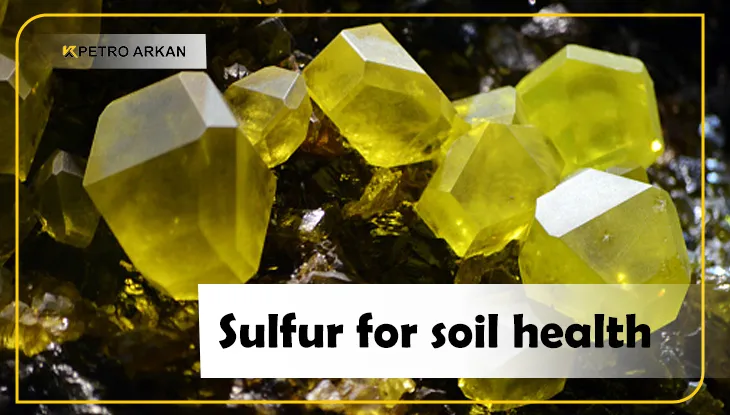
Sulfur is a non-metallic element, commonly found as yellow crystals or powder. Once primarily mined, it is now mostly recovered from oil and gas refining, with only a few Frasch mines remaining in Poland and Mexico. It also occurs naturally in volcanic regions and minerals like iron pyrites, gypsum, and Epsom salts.

Sulfur is essential in industry, mainly for producing sulfuric acid—one of the most widely used chemicals in fertilizers, metal refining, water treatment, and road construction.

In agriculture, sulfur is a vital nutrient that supports plant growth, aiding in protein synthesis, root development, and stress tolerance. Since plants cannot redistribute sulfur internally, a continuous supply is needed for optimal yields. Sulfur for soil health is crucial for maintaining soil fertility and improving crop productivity, especially in nutrient-deficient soils.
Though sulfur itself is non-toxic, compounds like sulfur dioxide contribute to air pollution and acid rain when fossil fuels are burned without purification. Sustainable sulfur management is key to balancing its industrial benefits with environmental protection.
Sulfur usages
Sulfur (S) is a non-metallic element vital for industry, agriculture, and living organisms. It plays a key role in fertilizer (sulfur for soil health) and chemical production and is essential for plant, animal, and human nutrition.
Industrial & Chemical Uses
Sulfur plays a vital role in a range of industries. It is crucial for vulcanizing rubber, producing fungicides, and manufacturing black gunpowder. However, its primary use is in the production of sulfuric acid, one of the most important industrial chemicals.
Sulfuric acid is essential for manufacturing phosphoric acid, which is used in phosphate fertilizers. Sulfur for soil health is also crucial, as it supports soil fertility and helps improve crop yields, especially in nutrient-deficient soils.
Organosulfur compounds add odor to natural gas and are used in various products. Sulfites preserve food, sulfates are in detergents, and gypsum is mined for cement and plaster.

Biological Role & Environmental Impact
Sulfur is essential for all living organisms, playing a key role in protein synthesis and enzyme functions. The average human contains about 140 grams of sulfur and consumes roughly 1 gram daily through proteins.
While sulfur and sulfates are non-toxic, certain sulfur compounds, such as carbon disulfide, hydrogen sulfide, and sulfur dioxide, are harmful. Hydrogen sulfide, in particular, can be fatal in high concentrations.
Burning coal and unrefined oil releases sulfur dioxide, which contributes to acid rain. This environmental issue can damage ecosystems by increasing the solubility of toxic aluminum salts in water, negatively impacting plant and animal life.
Sulfur for soil health is essential for maintaining soil fertility and supporting plant growth. The impact of sulfur on soil health is significant, as it improves nutrient availability, enhances root development, and helps crops thrive, especially in nutrient-deficient soils.
Organic farming
Sulfur is widely used in organic farming, as it meets the key requirements of being a natural, low-solubility substance. It supports plant and soil health in three main ways:
- Fungicide and miticide: Sulfur promotes the natural production of amino acids that strengthen plant immunity, aiding in disease and pest resistance.
- Fertilizer: The slow release of sulfate ions enhances nutrient absorption and supports plant nutrition.
- Biostimulant: Sulfur improves plant growth by reducing soil salinity, nitrate concentration, and excess phosphates, which can otherwise hinder development.
How Sulfur Improves Soil?
Sulfur and Soil Structure Improvement play a vital role in agriculture, acting as both a crop protector and an essential agronutrient. Its fungicidal and acaricidal properties help safeguard plants, while its role as a fertilizer and natural biostimulant supports healthy growth.
When applied to crops, sulfur aids in the formation of key amino acids, such as cysteine and methionine, boosts chlorophyll production, and contributes to the distinctive taste and aroma of various plants.
Sulfur for soil health
Sulfur for soil health is truly essential. It naturally supplies sulfates, reduces alkalinity, balances conductivity, enhances soil microbiota, and unlocks macroelements like phosphorus. This helps counteract soil degradation caused by overuse.
Sulfur for soil pH adjustment is another key role of this substance. It helps lower soil alkalinity, creating a more favorable environment for nutrient absorption. This is particularly important in areas with high pH levels that hinder plant growth.
Elemental Sulfur as a Soil Corrector
Elemental sulfur serves as a natural soil corrector, improving both pH and conductivity. It is especially beneficial for alkaline and saline soils, as well as those with high sodium saturation in the clay-humic complex, which can affect soil fertility.
Maintaining balanced soil conditions with sulfur improves crop productivity and promotes sustainable agriculture. Here’s how sulfur benefits different soil types:
- Saline Soils: In saline soils, sulfur for soil health interacts with soil bacteria (thiobacteria), converting into hydrogen protons and sulfate ions. These compounds then react with sodium and chloride, forming soluble substances like hydrochloric acid and sodium sulfate. This process helps wash excess salts from the soil, reducing electrical conductivity and improving nutrient absorption.
- Alkaline Soils: In alkaline soils, sulfur reacts with soil bacteria to lower excessive calcium carbonate concentrations, effectively reducing pH levels. This adjustment improves nutrient availability and supports overall soil health, ensuring optimal plant growth.
Unlike synthetic sulfate-based products, elemental sulfur undergoes a slow transformation into sulfates by soil bacteria, minimizing leaching losses. This controlled release ensures a continuous nutrient supply, reducing the need for frequent applications and improving cost efficiency.
Petroarkan
Petroarkan is a trusted supplier of high-quality sulfur fertilizers, providing efficient and cost-effective solutions for agricultural needs. With a commitment to excellence, the company ensures reliable access to premium sulfur products, helping farmers enhance crop growth, sulfur for soil health, and maximize yields.
Summary
Sulfur is essential for industry and agriculture, particularly in producing sulfuric acid and supporting soil health. It improves soil pH, nutrient absorption, and crop yield. Sulfur for soil health balances pH and enhances fertility. Used in organic farming, it acts as a fungicide, fertilizer, and biostimulant, boosting plant growth and resistance.
FAQ
- How does sulfur help with nutrient uptake in plants?
Sulfur improves nutrient absorption, boosting growth and yields.
- Can sulfur improve plant resistance to pests and diseases?
Sulfur strengthens plant immunity and fights pests, diseases, and fungi.
- Is sulfur harmful to plants in high concentrations?
Excess sulfur can acidify soil and harm plants. Follow recommended rates.


No comment