


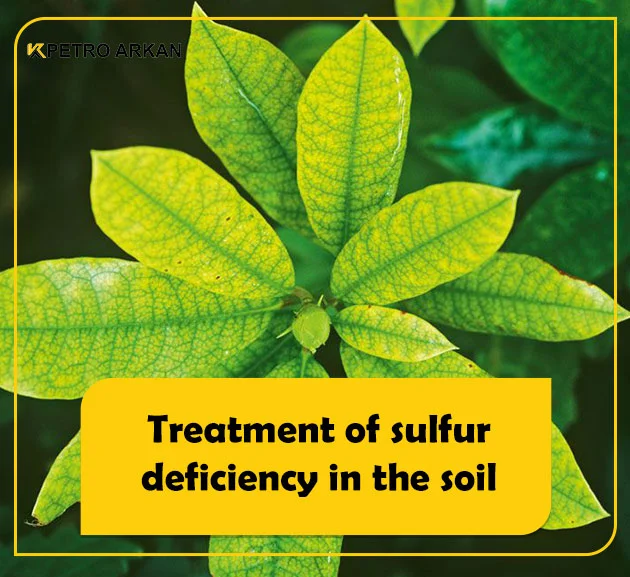
Treatment of sulfur deficiency in the soil is essential for restoring balanced plant nutrition and preventing yield loss in many agricultural systems. Sulfur plays a key role in protein synthesis, enzyme activity, and chlorophyll formation, and its deficiency often results in pale leaves, slow growth, and reduced crop quality. Because sulfur availability in soil is influenced by factors such as leaching, low organic matter, and intensive cultivation, recognizing proper correction methods is critical for effective soil management.
Active in international chemical supply chains, PetroArkan delivers agricultural and industrial chemicals such as urea, sulfur, and caustic soda to diverse markets worldwide. Based on exposure to different soil conditions and crop requirements, this article explains treatment of sulfur deficiency in the soil from a practical perspective, helping growers understand how sulfur behaves in soil and how targeted supplementation can restore nutrient balance. If you want to correct sulfur deficiency effectively and improve soil fertility, continue reading this guide.

Importance of Sulfur
Sulfur is essential for plant growth, supporting nitrogen metabolism, enzyme activity, and the synthesis of proteins, oils, and chlorophyll.
It plays a key role in plant structure and function, and since it is not easily translocated within plants, a continuous supply is needed from emergence to maturity to have a Treatment of sulfur deficiency in the soil of the crops.
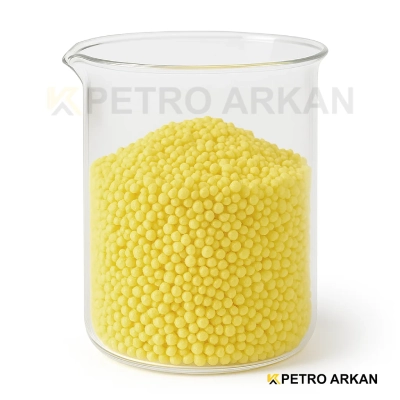


One of the most effective ways to correct sulfur deficiency is through solid amendments—Application of Granular Sulfur in agriculture details how this form improves soil health and long-term sulfur availability.
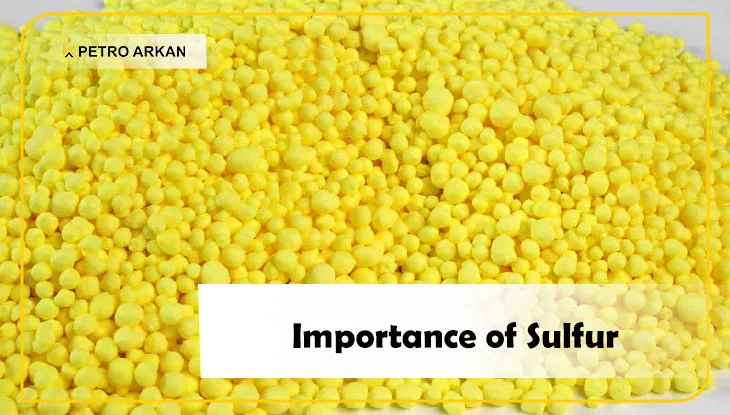
Sulfur also helps plants tolerate environmental stress and improves root development. Adequate sulfur availability can enhance crop yield and overall plant health, especially in nutrient-deficient soils to keep addressing sulfur shortages in crops.
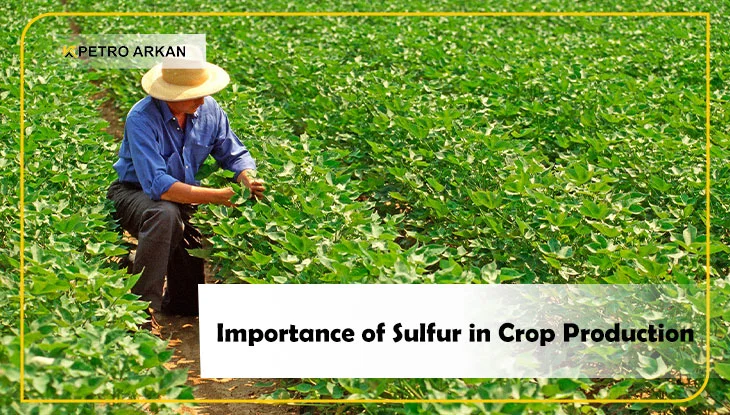
Importance of Sulfur in Crop Production
- Essential for crop production and overall plant health.
- Helps protect plants from stress and pests.
- Supports protein synthesis as a component of cysteine and methionine.
- Crucial for chlorophyll production, aiding photosynthesis.
- Sulfur supplementation for plants is vital for ensuring optimal growth and health.
Sources of Sulfur
- Organic Matter: Sulfur becomes available through microbial processes, which work best in warm, moist soils. Early planting in cold soils has reduced availability, leading to temporary deficiencies.
- Atmospheric Deposition: Reduced industrial pollution has lowered sulfur deposition, especially in the eastern U.S.
- Manure: Livestock manure is a key sulfur source, but fewer livestock operations have reduced its availability.
- Fertilizer: Newer high-analysis fertilizers contain less sulfur, contributing to lower availability.
Symptoms of Sulfur deficiency
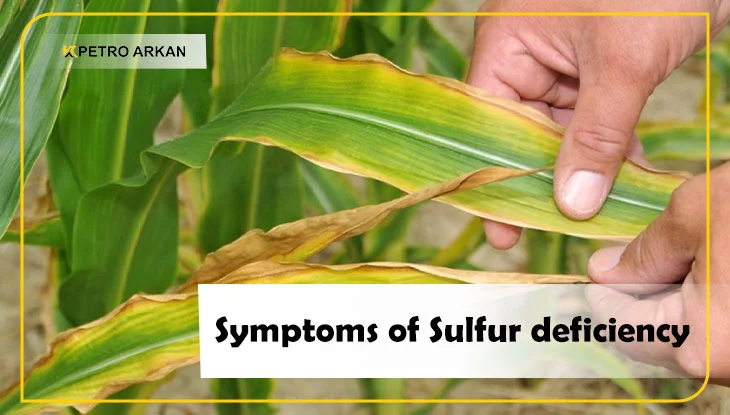
Sulfur (S) deficiency impacts chlorophyll production, protein synthesis, and overall plant function and structure. It can cause delayed plant development and maturity, and if it occurs during the vegetative stage, it may reduce yield. Therefore, remedies for sulfur deficiency in soil must be found.
Sulfur and nitrogen deficiencies can appear similar, but they affect plants differently. Sulfur deficiency shows yellowing in the younger leaves at the top of the plant first, while nitrogen deficiency affects older leaves first and moves upward.
Since sulfur is immobile in plants, symptoms are more noticeable in new growth. Sulfur deficiency is common in areas with low organic matter or recently disturbed soils. The accurate diagnosis and treatment of sulfur deficiency in the soil requires soil testing and maintaining soil fertility.
For farmers seeking slow-release options, Application of sulfur lump in agriculture explains how lump sulfur enhances microbial activity and supports sustained sulfur levels in the root zone.
Symptoms of Sulfur Deficiency
To know about the treatment of sulfur deficiency in the soil farmers must know about deficiency symptoms. In the chart below the most common symptoms are written.
| Crop/Plant | Symptoms of Sulfur Deficiency |
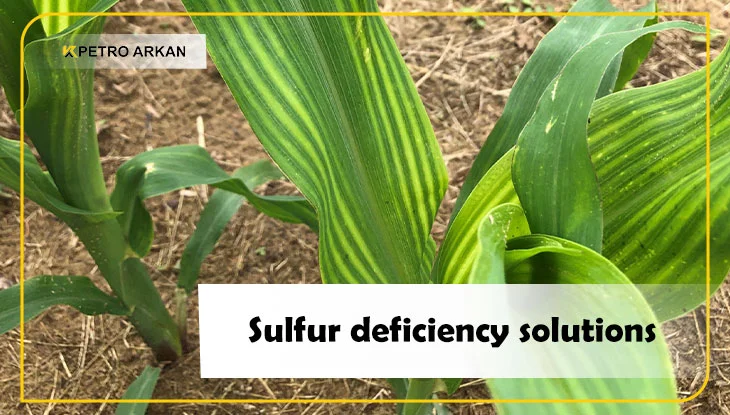
| Corn | Yellowing between leaf veins, starting with the youngest leaves |
| Other Crops (Soybeans, Wheat, Alfalfa) | Yellowing starts with the youngest tissue |
| Growth Issues | Slow growth, spindly plants, thinning stems. |
| Uneven Symptoms | Patches or streaks, often in colder or wetter areas |
| Canola Symptoms | Yellowish-green leaves, dark veins, cupping, reddening at margins, smaller, paler flowers. |
| Cereal/Forage Grasses Symptoms | Yellowing in newly emerging leaves |
Sulfur deficiency solutions
Elemental sulfur, ammonium thiosulfate, and ammonium sulfate can lower soil pH due to sulfur oxidation, which may require liming to correct acidity. Sulfur deficiencies may improve as plants’ root systems mature, especially early in the growing season.
However, if symptoms appear later, the deficiency is unlikely to resolve on its own so the treatment of sulfur deficiency in the soil will not be needed.
In order of correcting sulfur deficiency in plants and soils, various products can be used depending on soil conditions and other observed deficiencies:
Ammonium Sulfate (AMS)
A common choice for providing both nitrogen and sulfur, though other more concentrated options may be more economical.
Ammonium Thiosulfate (ATS)
Highly soluble and often mixed with urea ammonium nitrate (UAN), providing sulfur in a liquid form (28-0-0-5, 5% sulfur) to affect as a treatment of sulfur deficiency in the soil of crops.
Elemental Sulfur
Composed of 90-95% sulfur with a clay binder, it can be mixed with fertilizers.
Gypsum (Calcium Sulfate)
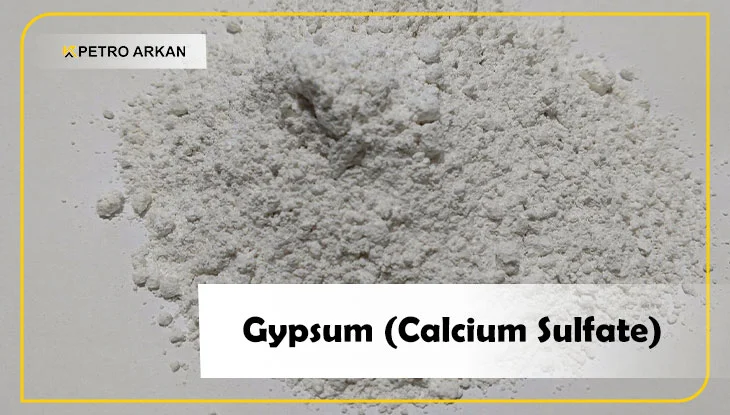
The least expensive option, gypsum contains 15% sulfate, the absorbable form of sulfur for plants. It’s ideal for soils deficient in both calcium and sulfur.
Manure
A good source of sulfur, with livestock manure containing 0.25%-0.30% sulfur, and poultry manure containing up to 0.50%.
Why Petro Arkan?
Petroarkan is a trusted supplier known for providing high-quality sulfur fertilizers at competitive prices. Committed to reliability and excellence, the company ensures that customers receive effective and affordable solutions for agricultural needs.
While sulfur is considered a treatment of sulfur deficiency in the soil and essential for farming, sourcing the right fertilizers can be difficult. Petro Arkan simplifies this process by offering premium products, making it a go-to choice for buyers seeking quality and value.
To summarize
Sulfur is essential for strong plant growth, fueling protein production and chlorophyll formation. When deficient, plants show yellowing leaves and slow development. Boost your crop health with treatment of sulfur deficiency in the soil like ammonium sulfate, elemental sulfur, and gypsum.
FAQ
- How much sulfur should I apply to avoid deficiency?
Apply 10-20 pounds of sulfur per acre, based on soil tests.
- How long does it take for sulfur to correct a deficiency?
Effects show in 1-3 weeks, depending on soil conditions and sulfur form.
- Are there any risks with over-applying sulfur?
Excessive sulfur can acidify the soil, harming plants. Test the soil before applying large amounts.


No comment